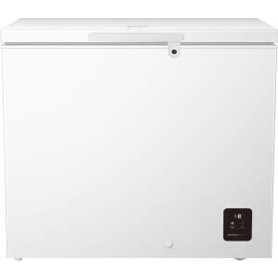
5 Laws That Will Help Those In Small Freezer Industry
The Ultimate Guide to Small Freezers: Maximizing Space and Keeping Food Fresh
When it pertains to modern-day living, area typically comes at a premium. For those residing in homes or homes with restricted kitchen area, a small freezer can be a game-changer. This useful appliance uses benefit and the capability to conserve cash by buying wholesale, while making sure that your favorite foods stay fresh longer. In trivio-handel.de , we will check out the advantages of small freezers, what to try to find when purchasing one, and ideas for optimizing your storage abilities.
Benefits of Small Freezers
Small freezers included a host of benefits. Below are a few of the main advantages:
Benefit
Description
Space-Saving
Small freezers can easily fit into tight spaces, such as under countertops or in closets. These compact systems are perfect for small cooking areas.
Affordability
Generally, smaller sized freezers are less costly than their bigger counterparts, both in terms of purchase price and energy usage.
Food Preservation
They offer an excellent method to preserve food, permitting you to keep leftovers, bulk purchases, or seasonal vegetables and fruits for later usage.
Lowering Food Waste
By freezing excess food, people can minimize wasting and waste. Freezers extend the life of items that may otherwise go uneaten.
Quick Access
Having a small freezer permits you to arrange and access frozen items quickly, which can save time during meal preparation.
Choosing the Right Small Freezer
When considering the purchase of a small freezer, several aspects must be taken into consideration. The following table supplies insights into these aspects:
Feature
Consideration
Capability
Evaluate how much storage you need. Options normally range from 3 to 8 cubic feet.
Type
Choose in between chest freezers, upright freezers, or drawer-style designs based upon your needs.
Energy Efficiency
Look for models with an Energy Star score, which can save you cash on electric expenses in the long run.
Temperature Control
A dependable temperature level control system makes sure food stays frozen at safe levels (-0 ° F or lower).
Sound Level
Consider the noise level; some models operate more silently than others.
Movement
If movement is important, consider designs with wheels or lighter building and construction for simple maneuvering.
Types of Small Freezers
Upright Freezers: Tall and slender, these designs look like a standard refrigerator and typically included shelves, making organization simple.
Chest Freezers: These are wide and low, providing sufficient storage space and frequently including an energy-efficient design.
Drawer Freezers: These increase ease of access as they enable moving drawers, making it easier to save items without digging through.
Tips for Organizing Your Small Freezer
Keeping an arranged freezer can improve efficiency and make meal preparation simpler. Here are some efficient techniques:
Label and Date: Always label containers and bags with contents and freeze dates to track what is available and how long it has actually been frozen.
Use Clear Containers: Opt for clear storage bins to rapidly see what you have available, helping to prevent the purchase of duplicate items.
FIFO Method: Follow the First-In, First-Out (FIFO) method by putting newly frozen items behind older ones to ensure you use older foods initially.
Classify: Group comparable items together, such as meats, fruits, veggies, and ready meals. This makes finding what you need quicker and much easier.
Vacuum Seal: Use a vacuum sealant for long-term storage to protect against freezer burn and preserve taste and texture.
FAQs About Small Freezers
1. Just how much electrical energy does a small freezer use?
- The energy consumption differs by design and use frequency, but typically, a small freezer can utilize in between 200 to 500 kWh every year. Selecting an Energy Star-rated model can significantly decrease this number.
2. What should I store in my small freezer?
- Ideal products to store consist of meats, fruits, vegetables, leftovers, bread, and prepared meals. Prevent keeping products that should stay refrigerated, like dairy products.
3. The length of time can food be stored in a freezer without losing quality?
- Various foods have differing freezer life periods. Here's a basic guide:
- Meat: 6 to 12 months (beef lasts longer than poultry)
- Vegetables: 8 to 12 months
- Fruits: 3 to 12 months
- Leftovers: 2 to 6 months
4. How can I avoid freezer burn?
- Freezer burn occurs when air comes into contact with food. To avoid it, make sure food is kept in airtight containers or vacuum-sealed bags. Keep the freezer at a constant temperature of 0 ° F or lower.
5. Can I put a small freezer in the garage or basement?
- Yes, but make sure the area is temperature-regulated. Extreme temperature levels can make the freezer work harder and lower efficiency.
A small freezer is an invaluable addition to any home, especially for individuals or households looking for effective food storage solutions. By understanding the advantages, picking the best model, organizing successfully, and utilizing it carefully, house owners can delight in long-lasting food conservation and benefit. Whether you're meal prepping or preserving seasonal produce, small freezers make it possible to reduce waste and make the most of resources— all while fitting perfectly into your readily available area.